ContextContent on technology outsourcing to help readers understand the subject and evaluate their options.
The project focused on English-language content about technology outsourcing. Rather than focusing solely on the target keyword, I wanted to help readers understand the subject, consider practical factors and find answers to their questions.
ChallengeBalance depth with accessibility.
The challenge was to explain a complex subject without making it difficult to follow. The content needed enough detail to clarify the subject without losing readers in technical explanations.
Audience and structureStart with search intent and organize information into a logical flow.
Start with what readers want to know. I explored the search intent behind the primary keyword and the questions readers might have at different stages of their research. Some needed foundational knowledge, while others were looking for practical considerations before making a decision.
That distinction helped me determine what the article needed to cover.
Give the information a logical flow. I structured the article to move from the broader context to specific concepts and practical considerations. A clear heading hierarchy helped readers follow the entire article or jump directly to the sections that mattered to them.
Depth and coverageExplain technical concepts in context and expand coverage where it adds value.
Make technical concepts easier to understand. I researched and explained technical concepts in their proper context, retaining the details readers needed to understand the subject fully. The goal was to make the content more accessible without losing its technical depth.
Look beyond the primary keyword. I explored related concepts, supporting questions and relevant subtopics to give the article more comprehensive coverage. Every addition needed to deepen the reader’s understanding rather than simply increase the number of keywords.
In practiceUse research and editorial principles to make long-form content easier to navigate.
Make long-form content easier to navigate. Information architecture plays an important role in a long-form article. I used a concise introduction, descriptive headings and jump links to help readers move between sections and find the information most relevant to them.
I brought the research together in an article that moved from industry context to practical considerations.
Search intent guided the scope of the article, while editorial review helped me maintain accuracy and consistency throughout.
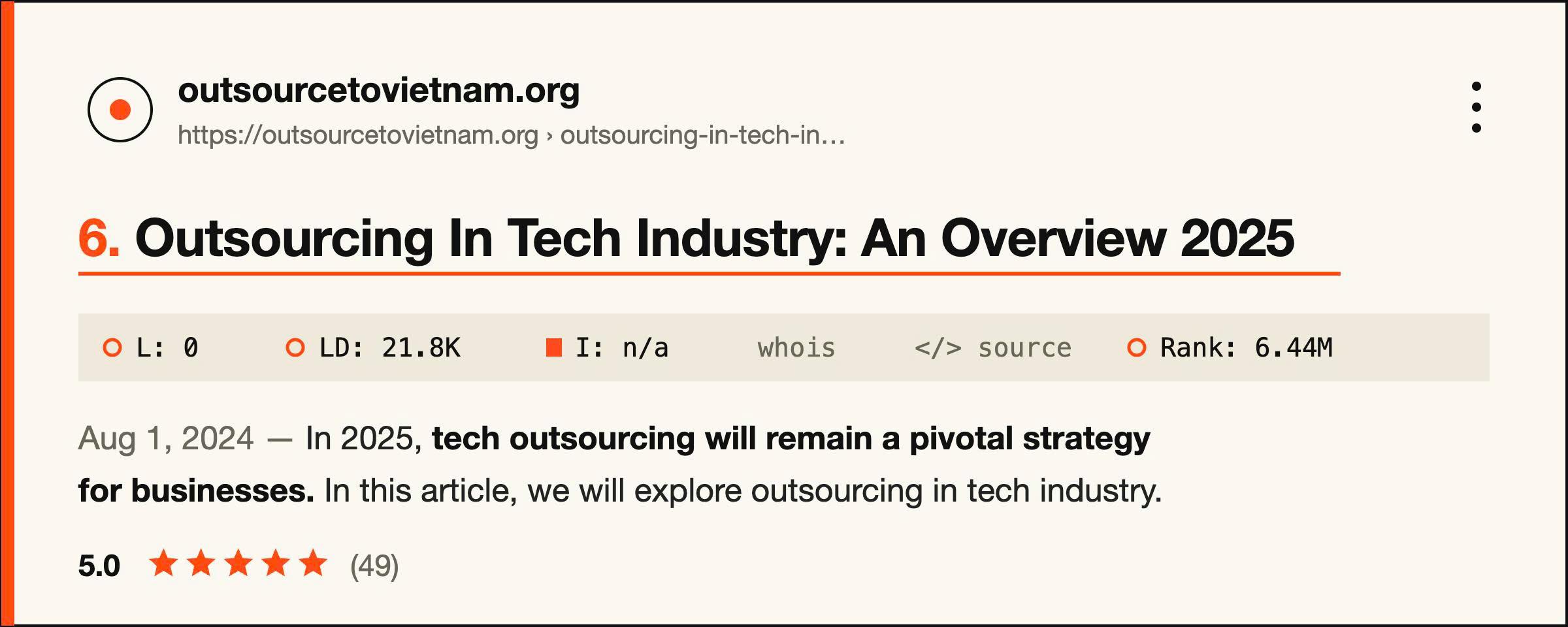
What changedThe article was published and appeared on the first page of Google search results at the time of review.
The article was published and appeared on the first page of Google for a B2B search query at the time of review.
The article also illustrates how I bring research, search intent and information architecture together in long-form content production.
B2B SEO & Long-Form Content
What I took away
This project reinforced something I had learned through writing long-form content: the real work begins before the first draft. Understanding what readers are looking for helps me decide what to include and what to leave out. I’ve come to appreciate how well-organized information can make even complex subjects easier to understand.
OPEN TO NEW OPPORTUNITIES
Let’s make complex information useful.
I’ve spent years turning complex ideas into content people can understand and use. I’m now looking to bring that experience to new teams and projects, with a growing focus on content systems and practical applications of AI.
Start a conversation