Where it startedMaking sense of technical products from a customer's perspective.
At Siam Brothers, I worked with products that came with a lot of technical information. But what made sense to someone familiar with a product wasn't always clear to a customer seeing it for the first time. People wanted to know what a product could do, how it differed from other options, and which details actually mattered when choosing one.
The challengeDeciding what to explain, what to preserve and how much detail each format can accommodate.
The challenge wasn't simply to make the language easier. I had to decide which details to explain, which technical distinctions to preserve, and how much information each format could reasonably carry. An SEO article could explore a topic in depth, while a social post or video needed to get the point across much faster.
Clarity without losing accuracyStart with the customer's question and make the answer clear without sacrificing accuracy.
Start with the customer's question. Before explaining a specification, I looked at the problem it was supposed to solve. A technical detail was only worth highlighting if I could explain why it mattered to someone choosing or using the product.
Make it simpler, not less accurate. I rewrote technical explanations in everyday language but kept the distinctions that could affect how a product was understood or used. Making something easier to read shouldn't mean leaving out what people need to know.
Channels and evidenceGive each channel a clear purpose and help customers verify what they learn.
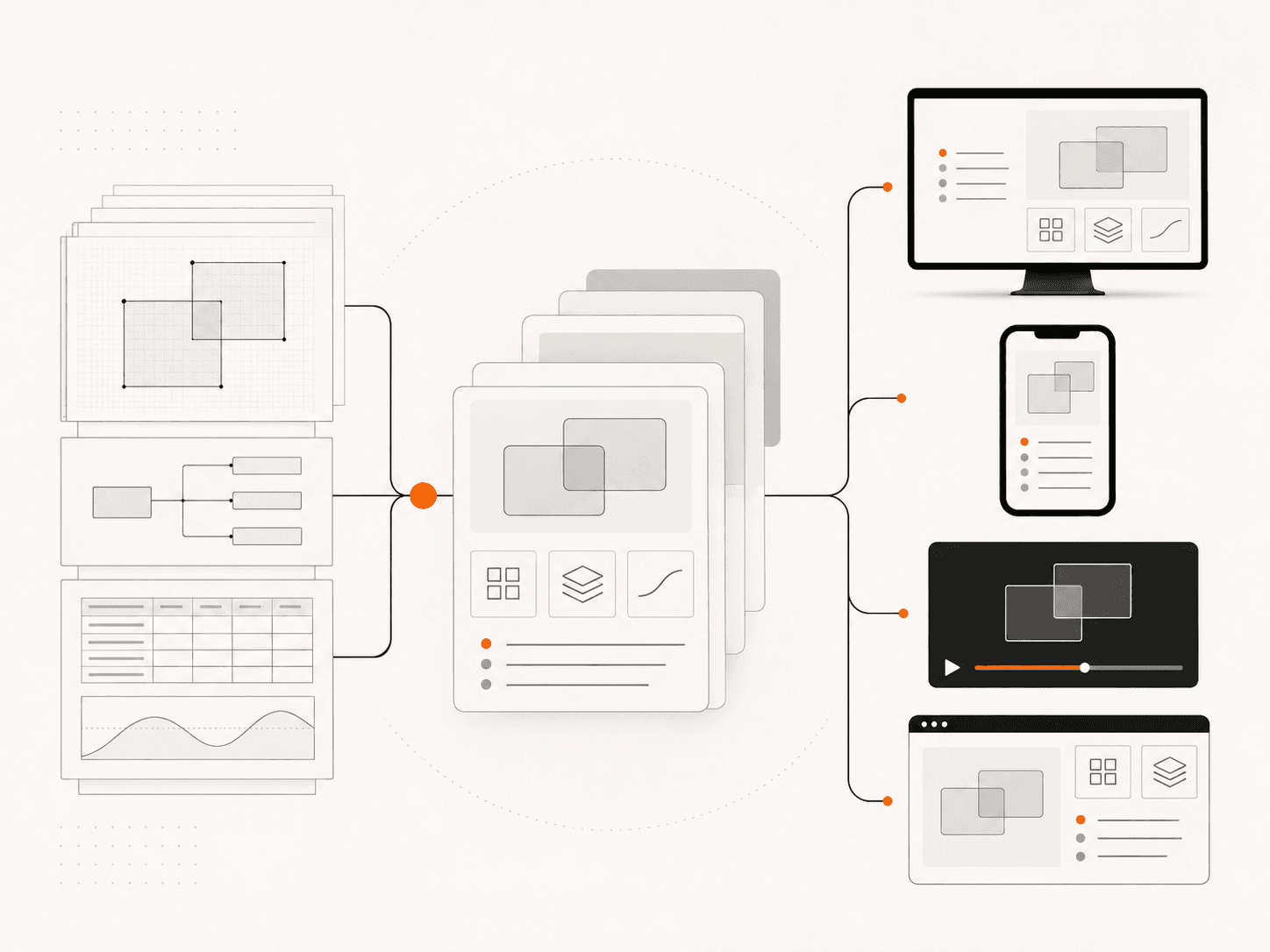
Let each channel do its job. I used SEO articles for in-depth explanations, kept product pages focused on useful comparisons, and built social content around a single takeaway. For video, I worked with scripts and visual sequences that could show what words alone might struggle to explain.
Give people something they can check. Whenever possible, I used comparisons, visual examples and step-by-step explanations to help customers recognize meaningful differences for themselves instead of relying on product claims alone.
In practiceA video designed to help customers tell genuine products from counterfeits.
One example was a video designed to help customers tell genuine products from counterfeits. I researched the differences between the products, developed the storyboard and script structure, and made the technical details easier to follow.
The idea was to show viewers what to look for, demonstrate the differences visually and give them practical clues they could use when checking a product themselves.
What came out of itSEO content, product pages, social posts and video scripts.
My work spanned SEO content, product pages, social posts and video scripts. The product-comparison video brings this approach to life, particularly the research, content structure and technical explanations behind the script.
Omnichannel Technical Communication
What I took away
This work reminded me that making technical content accessible isn't about stripping away complexity. It's about knowing which details matter and finding a way to explain them clearly. When people understand what they're looking at, they're better equipped to make their own decisions.
OPEN TO NEW OPPORTUNITIES
Let’s make complex information useful.
I’ve spent years turning complex ideas into content people can understand and use. I’m now looking to bring that experience to new teams and projects, with a growing focus on content systems and practical applications of AI.
Start a conversation